State of Decay: The Ultimate Survival Guide and Community Wiki
Your comprehensive resource for surviving the zombie apocalypse in Undead Labs' groundbreaking survival simulation
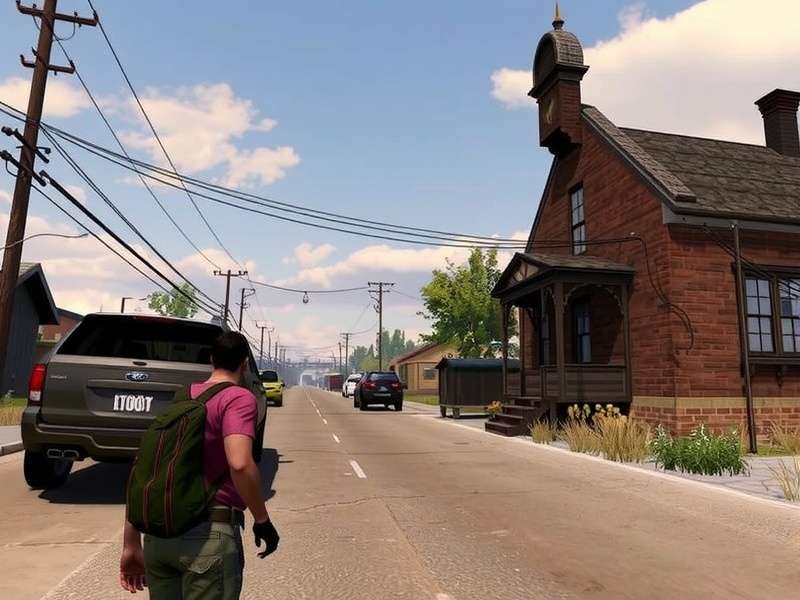
⚠️ Pro Tip: State of Decay isn't just about killing zombies—it's about resource management, community building, and making tough decisions that affect your survival chances. Every choice matters!
Welcome to the definitive State of Decay encyclopedia, where we dive deep into the mechanics, strategies, and community knowledge that has made this franchise a cult classic among survival horror enthusiasts. Originally released in 2013 and later enhanced with the Year One Survival Edition, State of Decay redefined what a zombie survival game could be by introducing persistent worlds, permadeath, and community management mechanics that genuinely matter.
Quick Navigation
Game Overview: More Than Just Another Zombie Game
When State of Decay first hit the Xbox Live Arcade in June 2013, it brought something fresh to the oversaturated zombie genre. Unlike traditional linear zombie games, State of Decay presented players with an open-world survival simulation where every decision had lasting consequences. The game's defining feature—permadeath—meant that when a character died, they stayed dead permanently, forcing players to emotionally invest in their community of survivors.
The Year One Survival Edition, released in 2015, represented the definitive version of the game. It included all previously released DLC (Breakdown and Lifeline), graphical improvements, and gameplay tweaks based on community feedback. This edition is widely considered the best way to experience the original State of Decay, whether you're playing on Xbox One or PC.
The Philosophy Behind the Apocalypse
Undead Labs, the studio behind State of Decay, had a clear vision: create a zombie game that focused on survival rather than slaughter. Creative director Jeff Strain famously said, "We're not making a game about killing zombies; we're making a game about surviving a zombie apocalypse." This philosophy manifests in every aspect of the gameplay—from scavenging for resources and fortifying your base to managing survivor morale and making difficult ethical decisions.
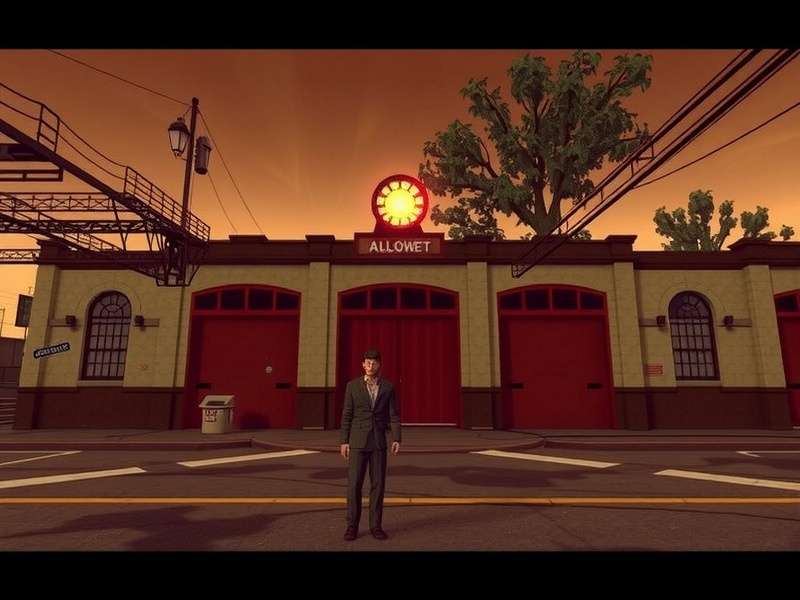
Core Gameplay Mechanics: Survival in Practice
State of Decay's gameplay can be divided into several interconnected systems that create a complex survival simulation. Understanding these systems is key to thriving in the game's harsh world.
Character System and Progression
Unlike most games where you control a single protagonist, State of Decay gives you a community of survivors, each with unique skills, traits, and personalities. You can switch between them at will (when they're not fatigued), and each character levels up seven core skills: Cardio, Wits, Fighting, Shooting, Reflexes, Powerhouse, and Leadership. Specializations within these skills allow for further customization based on your playstyle.
The character system introduces fascinating dynamics. Survivors develop relationships—both positive and negative—that affect community morale. Some may become best friends, while others might feud over resources or leadership. These interpersonal dynamics aren't just flavor; they directly impact your community's efficiency and resilience.
Resource Management and Base Building
Resources in State of Decay are categorized into several types: Food, Medicine, Ammunition, Construction Materials, Fuel, and Special Items. Each day, your community consumes resources based on its size and facilities. Running out of food leads to starvation, while medicine shortages increase infection risk and slow healing.
Your base serves as the heart of your operation. Different locations offer various built-in facilities and expansion slots. You can construct facilities like gardens (for food production), workshops (for weapon maintenance and crafting), medical areas (for healing and research), and watchtowers (for defense). Each facility requires resources to build and maintain, and many have multiple upgrade paths with different benefits.
Combat and Stealth Systems
Combat in State of Decay emphasizes realism and risk management. Firearms are powerful but loud—they attract more zombies from the surrounding area. Melee combat is quieter but puts you at greater risk of infection. The game features a stamina system that depletes with physical exertion, so knowing when to fight and when to flee is crucial.
Stealth plays a significant role, especially in higher difficulties. Crouching reduces noise, moving through foliage provides cover, and distractions (like firecrackers) can lure zombies away from objectives. Mastery of the stealth system is essential for successfully scavenging in infested areas.
Edition Comparison: Original vs. Year One Survival Edition
| Feature | Original Release (2013) | Year One Survival Edition (2015) |
|---|---|---|
| Graphics | Xbox 360-era graphics, 720p resolution | Enhanced textures, 1080p resolution, improved lighting |
| Performance | Occasional frame rate drops, longer load times | Stable 30 FPS, reduced load times, bug fixes |
| Content | Base game only | Includes Breakdown and Lifeline DLCs |
| Gameplay Improvements | Original mechanics with some balance issues | Tweaked difficulty, improved AI, new weapons/vehicles |
| Platforms | Xbox 360 only | Xbox One and PC (including Spanish versions) |
Advanced Survival Strategies: From Beginner to Veteran
Surviving in State of Decay requires more than just good reflexes. It demands strategic thinking, long-term planning, and adaptability. Here are some advanced strategies compiled from thousands of hours of community gameplay.
Community Management Excellence
Your survivors are your most valuable resource—and your greatest liability. Effective community management begins with careful recruitment. Don't accept every survivor you encounter; consider their skills, traits, and how they'll fit into your existing community. A survivor with the "Gardening" skill might be more valuable in the long run than another fighter when you're struggling with food production.
Morale management is critical. High morale increases work speed, reduces resource consumption, and makes survivors less likely to make dangerous mistakes. Maintain morale by keeping facilities in good repair, resolving interpersonal conflicts quickly, and ensuring a steady supply of luxury items (like coffee or alcohol).
Resource Acquisition and Efficiency
Scavenging is dangerous but necessary. Develop a systematic approach: scout areas from a distance first, plan infiltration and escape routes, and always have a backup plan. Vehicles are invaluable for scavenging runs—they provide storage, mobility, and emergency escape options.
Specialize your outposts strategically. An outpost provides a safe zone and a steady supply of its resource type. Place medical outposts near infested areas you'll be clearing frequently. Ammunition outposts are best located near your base for quick resupply during sieges.
Combat Optimization
Learn zombie behavior patterns. Regular zombies are predictable, but special zombies require specific tactics. For example, Juggernauts are tank-like brutes best handled with high-caliber weapons or avoided entirely. Ferals are fast and agile—shotguns or well-timed melee counters work best against them.
Weapon selection matters. Light weapons are faster but deal less damage; heavy weapons are slow but can knockdown multiple zombies. Firearms should be matched to the situation: suppressors for stealth missions, high-capacity weapons for base defense, and precision rifles for dealing with special zombies at a distance.
Mods and Community Content: Enhancing Your Experience
The State of Decay community has created an extensive array of mods that expand, tweak, or completely overhaul the game. While the original game had limited mod support on Xbox, the PC version of the Year One Survival Edition has a vibrant modding scene.
Popular Mod Categories
Gameplay Overhauls: Mods like "State of Decay: Rebalanced" adjust difficulty curves, resource scarcity, and zombie behavior to create fresh challenges for veteran players. These mods often rebalance combat, tweak survivor skills, and adjust the rate of community development.
Content Additions: Many mods add new weapons, vehicles, facilities, and even entirely new areas to explore. Some ambitious mods introduce new mission types or survivor traits that weren't present in the base game.
Quality of Life Improvements: These mods address common community complaints, such as increasing stack sizes for resources, reducing arbitrary limitations, or improving user interface elements. They make the game more enjoyable without fundamentally changing its nature.
Graphical Enhancements: While the Year One Survival Edition already improved upon the original's graphics, modders have pushed this further with high-resolution texture packs, improved lighting effects, and weather system enhancements.
🔧 Modding Note: Always backup your save files before installing mods, and be cautious when combining multiple mods—some may conflict with each other. The modding community has extensive documentation on compatibility.
Community and Legacy: The Lasting Impact
State of Decay has cultivated one of the most dedicated communities in survival gaming. From sharing strategies and stories to creating fan art and fiction, players have embraced the game's emergent storytelling potential.
Notable Community Achievements
The game's achievement system has led to some impressive community milestones. Completionists have worked tirelessly to unlock all Year One Survival Edition achievements, including the notoriously difficult "Still Breathing" (complete Breakdown mode at level 99). Community guides have helped thousands of players accomplish these feats.
Speedrunning has become a popular community activity, with categories including "Any% Story Completion," "Full Community Build," and "All Legacies." The current world record for completing the main campaign stands at just under 3 hours—a testament to deep game knowledge and precise execution.
From State of Decay to State of Decay 2
The success of the original game led to the development of State of Decay 2, which expanded on the original's concepts with cooperative multiplayer, larger maps, and more refined systems. While the sequel has its own identity, it owes much to the foundation laid by the first game. Many players still return to the original for its unique atmosphere and tighter focus on single-player survival.
Community Discussion
Share your survival stories, strategies, and questions with the State of Decay community. Your experiences help other survivors!
Post a Comment
Recent Community Comments
Just finished my first Breakdown level 10 run! The key was focusing on morale buildings early and always keeping a vehicle stocked with emergency supplies. The moment I stopped treating this like an action game and started treating it like a survival sim was when everything clicked.
Anyone else find the Year One Survival Edition to be the definitive way to play? The graphical improvements alone make it worth it, but having all DLC integrated seamlessly is game-changing. Currently working through Lifeline for the third time—those military resources are addictive!
Pro tip for new players: ALWAYS have an outpost near your base that produces the resource you're lowest on. That buffer has saved my community more times than I can count. Also, don't underestimate the value of a good garden—self-sufficiency is key when scavenging runs get dangerous.