📋 Table of Contents
1. Introduction 2. Game Overview 3. Core Gameplay Comparison 4. Graphics & Sound Design 5. Community & Multiplayer Features 6. Modding Ecosystem 7. Performance & Technical Issues 8. Pros & Cons 9. Final Verdict1. 🌟 Introduction: The Ultimate SoD Showdown
Namaste, fellow survivors! 🙏 If you're reading this, you're likely caught in the eternal dilemma that plagues every zombie apocalypse enthusiast in India and around the world: State Of Decay Year One Survival Edition Vs State Of Decay 2 Community — which one deserves a spot on your gaming rig?
Both titles from Undead Labs have carved their own legacies. The Year One Survival Edition (YOSE) brought the original State of Decay to the Xbox One and PC with all DLC packed in, while State of Decay 2 Community expanded the universe with multiplayer, base-building depth, and a robust community ecosystem. Let's dive into the trenches and dissect every aspect.
2. 📖 Game Overview: Know Your Zombie Apocalypse
What is State Of Decay Year One Survival Edition?
Released in 2015 as the definitive version of the 2013 cult classic, State Of Decay Year One Survival Edition bundles the base game with the Breakdown and Lifeline DLCs. It remastered textures, improved lighting, and added a host of quality-of-life improvements. The game thrusts you into Trumbull Valley, a rural town overrun by zombies, where every survivor matters and every scavenged pill counts.
What is State Of Decay 2 Community?
Launching in 2018 (and evolving ever since), State of Decay 2 took the formula worldwide. The "Community" aspect isn't just a subtitle — it's a philosophy. You manage a survivor group, build bases in multiple maps including the massive Trumbull Valley remake, and most importantly, you can team up with friends in seamless 4-player co-op. The Community Edition incorporates years of updates, including the Juggernaut Edition features.
3. 🎮 Core Gameplay Comparison: Mechanics Masterclass
Base Building
YOSE gives you a home base with pre-set slots. You construct facilities like workshops, hydroponics, and watchtowers, managing resources like food, ammo, and meds. It's deep but constrained. You never truly feel like you own the map.
SoD2 Community, on the other hand, offers far more flexibility. You can choose from multiple bases across several maps — each with unique assets, built-in bonuses, and cosmetic options. The upgrade system is deeper, with facility mods, seat upgrades, and a morale system that impacts productivity. If you love the thrill of building a fortified community from scratch, SoD2 is streets ahead.
Combat & Zombie AI
Both games share the DNA of melee-focused combat with guns that pack a punch. But YOSE's combat feels slightly dated — staggering zombies, limited stamina, and the infamous 50-cal sniper that trivializes juggernauts. SoD2 refines this with a more robust stamina system, executing moves, stealth instakills, and a wider array of weapons, including crossbows and heavy melee weapons that feel devastatingly weighty.
Zombie AI also got an upgrade in SoD2. Blood Plague zombies add a fresh threat, requiring special plague cures. In YOSE, you only had the regular zeds plus special freaks: Feral, Bloater, and Juggernaut — all present in SoD2 too, but with more behaviors and varieties.
Resource Management & Survivor Relationships
YOSE was revolutionary in introducing perma-death and dynamic relationships between survivors. You had to keep morale up, manage hunger, and deal with internal conflicts. However, the mechanics were basic: skills were mostly static and relationships generated simple buffs/debuffs.
SoD2 Community Edition expands this. Each survivor has unique traits (good and bad), 5 core skills, and esoteric specializations like Gardening, Munitions, and Medicine. The relationship system is more granular, with blood-plague infections, injuries, fatigue, and personal quests. It's a living, breathing soap opera of survival — and it's wonderful.
4. 🎨 Graphics & Sound Design: The Audiovisual Battle
Visual Fidelity
YOSE's remaster brought crisp textures, better lighting, and improved character models compared to the original 2013 release. It runs beautifully on Xbox One and PC (via backward compatibility). But make no mistake — it's still a mid-generation polish. Draw distances are limited, foliage is sparse, and interiors feel recycled.
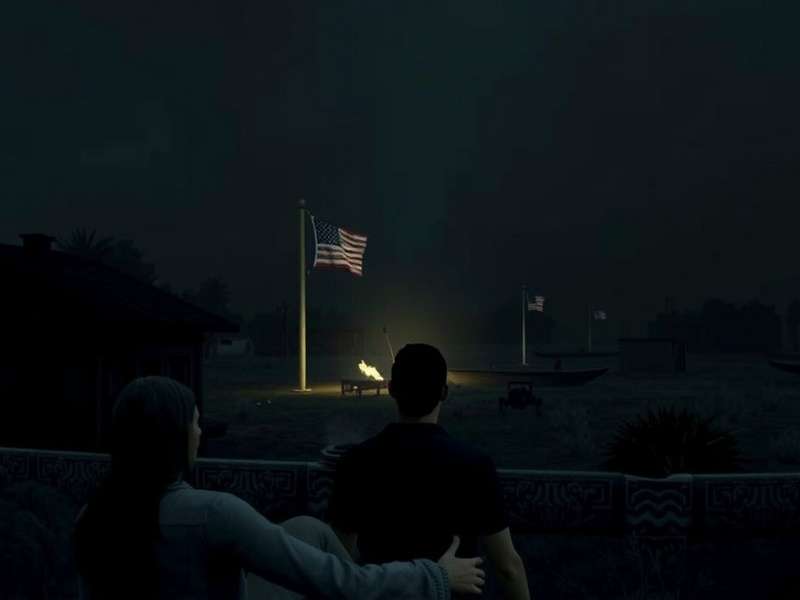
SoD2 Community, especially the Juggernaut Edition update, looks genuinely impressive. High-definition textures, day-night cycles that dramatically shift atmosphere, dynamic weather (though not as aggressive as some mods), and significantly improved zombie models. On PC with max settings, it's a gorgeous game for a mid-budget zombie sim. The Blood Plague visually marks enemies with glistening veins — a nice touch.
Sound Design
YOSE excels at ambient dread. The wind rustling, distant groans, and the spine-chilling violin sting when a Juggernaut appears — it's masterclass horror. SoD2's soundscape adds more layers: base ambience, survivor chatter, vehicle engine whines, and a more dynamic combat audio mix. However, the iconic violin moment in YOSE remains unbeatable for sheer panic-inducing impact.
5. 🌐 Community & Multiplayer Features
Multiplayer — The Defining Difference
YOSE is a solo experience. There is no co-op mode at all. For many players in India where gaming is often a communal activity (we love sharing experiences with friends!), this is a dealbreaker. You can only share the experience via YouTube or Twitch, not by playing together.
SoD2 Community edition — despite its rocky launch — has solid 4-player co-op. You can host a game, invite friends, and wander the map together. Progression is shared: loot is duplicated, missions can be split up, and there's genuine coordination in tackling plague hearts (a SoD2-exclusive objective where you destroy necrotic tissue blobs to clear hordes). It's the best local-friendly experience for gaming groups.
The Community Ecosystem
The "Community" in SoD2 also refers to the Nexus community — a massive hub for mods, resources, and discussion. In India, communities on Discord (like the official SoD India server) run events and share tips. YOSE had a more niche following. If you're looking for active forums, YouTube channels, and wiki communities, SoD2 dwarfs YOSE.
6. 🔧 Modding Ecosystem: Player-Driven Innovation
YOSE Mods
The Year One Survival Edition mods scene is rather niche but passionate. The Mod Squad community created essential tools to unpack game files. You can tweak loot tables, increase spawn rates, and even add new weapons. The State of Decay mods library for the original game is bigger, but YOSE shares most of that compatibility.
SoD2 Mods
SoD2 Community has a thriving State of Decay 2 mods ecosystem on Nexus Mods. There are overhaul mods that add realistic gunplay, thousands of new item spawns, base revamps, and visual upgrades. The modding community produces utility tools like the Gameplay Mods List that streamlines installations. This is a major advantage for those who love tinkering.
If modding is your jam, SoD2 wins hands down. The Nexus integration makes downloading and managing mods a breeze, and the variety is staggering.
7. ⚡ Performance & Technical Issues
Framerates & Platform
YOSE is locked at 30fps on Xbox One but 60fps on Xbox One X via the enhanced patch. On PC, it's easily 60fps (or more) unless you run heavy mods. The game is stable, with rare crashes in the original — most issues were fixed by the Year One patch.
SoD2 Community launched with notorious bugs: car physics glitches, multiplayer desync, and save corruption. The Infinity and Juggernaut updates fixed a great deal. On Xbox Series X|S, SoD2 runs at 60fps with enhanced resolution. On PC, it can be resource-hungry, and optimization is so-so. You'll need a decent GPU to get 60fps on high settings.
Load Times
Both games use similar loading patterns. On huge maps, SoD2 takes around 30-45 seconds to load on an HDD but only 10 seconds on an SSD. YOSE loads faster due to smaller maps. If you're stuck on older hardware, YOSE is more forgiving.
📊 Quick Comparison Table
| Feature | YOSE | SoD2 Community |
|---|---|---|
| Release Year | 2015 | 2018 (Juggernaut 2020) |
| Singleplayer | Full story | Full story + missions |
| Co-op Multiplayer | Not available | Up to 4 players |
| Base Building Depth | Moderate | Deep |
| Modding Support | Moderate | Extensive |
| Map Size | 1 small map (Trumbull) | 4 maps (incl. Trumbull remake) |
| Zombie Types | 4 freaks | 5+ freaks (incl. Blood Plague) |
| Game Price | Budget (~₹500) | Standard (~₹1,500) |
8. ⚖️ Pros & Cons
YOSE Pros
- Perfect solo horror atmosphere
- Tight, focused campaign
- Runs smoothly on low-end PCs
- Budget-friendly price
- All DLC included
YOSE Cons
- No multiplayer/co-op
- Small maps
- Outdated animations
- Limited modding support
- No Chinese/Indian localization
SoD2 Community Pros
- 4-player co-op
- Huge maps with variety
- Thriving mod+community ecosystem
- Deep survivor relationships & base building
- Continuous updates
SoD2 Community Cons
- Can feel grindy in endgame
- Some technical bugs remain
- Resource-hungry on PC
- Steep learning curve
- DLC requires Season Pass
9. 🏆 Final Verdict: Which Should You Play?
After this deep dive, the answer ultimately hinges on your playstyle and setup:
Choose State of Decay Year One Survival Edition if you…
- Prefer solo, story-driven horror
- Have a low-to-mid range PC
- Want to experience the original vision
- Are on a tight budget
Choose State of Decay 2 Community if you…
- Want co-op multiplayer with friends
- Enjoy deep base-building and long-term progression
- Love modding and community content
- Have a modern PC or Xbox Series X
In the great debate of State Of Decay Year One Survival Edition Vs State Of Decay 2 Community, there is no definitive "better" — only "better for you." This guide would recommend SoD2 Community for most players today due to its co-op and mod potential. But YOSE remains a masterpiece of atmosphere and has a special place in every SoD fan's heart.
Last updated: June 15, 2025 12:00 PM IST
💬 Community Comments
Man, this comparison is spot on! I started with YOSE on my old PC, and it was spooky fun. Then I upgraded to SoD2 Community with my friends — it's a whole new world. Co-op is the future! 🔥
Still love YOSE for solo immersion. The Trumbull Valley atmosphere is unreal. SoD2 feels too grindy for me. But the mods on Nexus are fantastic.